Every Swipe Tells a Story — And Someone Is Selling Yours

You grab a coffee on Monday morning, fill up your gas tank on Wednesday, and pick up a bottle of wine on Friday night. Seems pretty ordinary, right? But somewhere in a data center you'll never visit, those three transactions just told a story — one about your commute, your income bracket, your stress levels, and maybe even your relationship status.
And that story? It's for sale.
We talk a lot about financial privacy in abstract terms, but most Americans have no idea how granular the surveillance of their spending habits actually is. This isn't about targeted ads for sneakers you looked at once. It's about data pipelines that run from your bank account directly to landlords, employers, insurance underwriters, and retailers — all of whom use it to make decisions that affect your real life.
The Machine Behind the Curtain
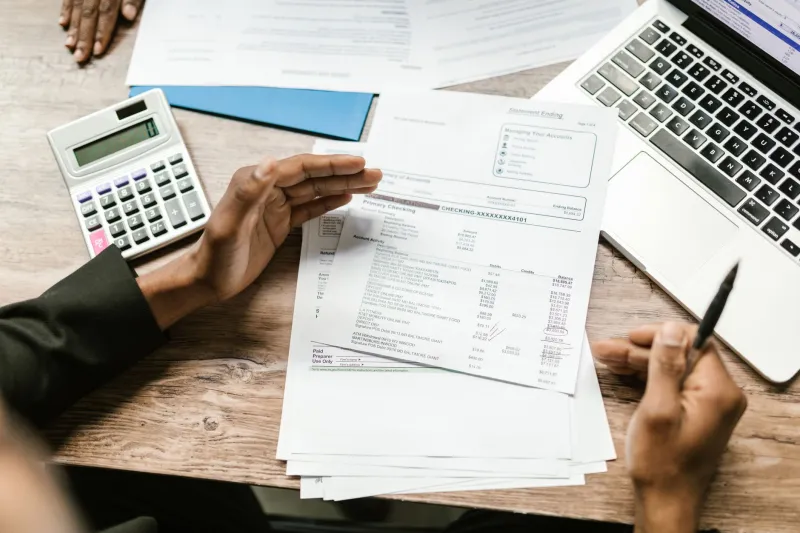
Here's how the system works. When you swipe your card — debit or credit — that transaction doesn't just move money. It generates a data point. Merchant category, time of day, location, purchase amount. Do that a few hundred times a month (which most Americans do), and you've handed over an extraordinarily detailed behavioral profile.
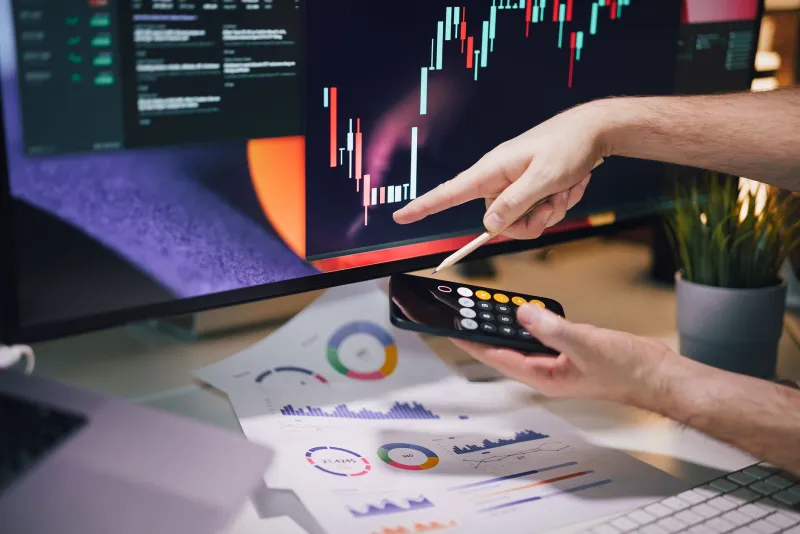
Banks have always had access to this data. What changed is what they're doing with it. Many financial institutions now operate data-sharing agreements with third-party brokers — companies whose entire business model is aggregating transaction records, cross-referencing them with public records, social media activity, and loyalty program data, and then packaging the whole thing into consumer intelligence products.
Those products get sold. To retailers who want to know your price sensitivity before you walk through the door. To landlords who want to assess your financial reliability before they approve your lease. To employers who, in some cases, pay for financial wellness assessments that are really just creditworthiness screenings with better branding.
None of this is a conspiracy theory. It's a documented, legal, and largely unregulated industry.
What Your Transactions Actually Reveal
Let's get specific, because the details matter here.
Frequent small purchases at dollar stores signal one income profile. Regular charges at Whole Foods signal another. Gym membership fees suggest health consciousness. Payday loan repayments suggest financial stress. Subscription services — Netflix, Spotify, meal kits — can indicate disposable income. Lapses in those subscriptions can indicate the opposite.
Data brokers don't just look at what you buy. They look at when you buy it. Grocery shopping at 11pm on a Tuesday reads differently than shopping at 10am on a Saturday. Late-night food delivery orders. ATM withdrawals at casinos. Recurring transfers to a specific account that might suggest child support or alimony payments.
Aggregated over months or years, this transaction history becomes something closer to a financial personality profile than a simple spending record. And the buyers of that profile are making inferences you'd probably find alarming if you knew about them.
The Housing and Employment Angle
Here's where it gets personal in a way that goes beyond annoying ads.
Several data companies now market products directly to property management companies. The pitch is simple: instead of relying solely on a traditional credit check, landlords can access a broader financial behavior report that includes spending pattern analysis. Technically, this is legal under current Fair Credit Reporting Act interpretations — as long as the data isn't used in a discriminatory way. In practice, enforcement is thin and the criteria used are often opaque.
On the employment side, a growing number of companies — particularly in finance, healthcare, and government contracting — use third-party financial screening services as part of background checks. These aren't always disclosed clearly to job applicants. You might check the box authorizing a "background check" without realizing it includes a financial behavior assessment that goes well beyond a credit score.
The implications are serious. If your spending patterns during a rough financial patch — say, a job loss or a medical crisis — are being used to screen you out of future opportunities, you're caught in a loop that's very hard to break out of.
What the Law Actually Protects (Hint: Not Much)
The Fair Credit Reporting Act covers data used in credit decisions. The Gramm-Leach-Bliley Act requires banks to disclose their data-sharing practices and give consumers an opt-out — but the opt-out only applies to sharing with non-affiliated third parties, and most people never exercise it because the process is buried in fine print nobody reads.
Beyond that? The regulatory landscape is sparse. The Consumer Financial Protection Bureau has been circling the data broker industry for years, but comprehensive federal privacy legislation protecting transaction data still hasn't materialized. A handful of states — California being the most notable — have enacted stronger consumer data rights, but if you live in Texas, Ohio, or most other states, your protections are limited.
What this means practically is that the burden of protecting your financial data falls almost entirely on you. Which is frustrating, but it's the reality right now.
Moves You Can Actually Make
You can't opt out of the data economy entirely, but you can reduce your exposure and make smarter decisions about where your money moves.
Read your bank's privacy notice. It's tedious, but it tells you who your bank shares your data with. Most banks offer a way to opt out of sharing with non-affiliated third parties — find it and use it. It's usually buried in the privacy section of your account settings or requires a phone call.
Use cash strategically. For purchases you'd rather not have on record — medical supplies, certain retail categories, whatever feels sensitive to you — cash transactions don't generate the same data trail. It's not about hiding anything; it's about exercising the privacy you're technically entitled to.
Separate your financial accounts. Using one account for bills and another for discretionary spending limits how complete any single institution's picture of you is. This also makes it easier to spot unusual charges.
Ask about data use before signing up for financial products. New fintech apps, buy-now-pay-later services, and financial wellness tools often have data-sharing terms that are more aggressive than traditional banks. Read those terms before you hand over account access.
Know your rights under state law. If you're in California, Colorado, Virginia, or a few other states with stronger consumer privacy laws, you have rights to request, correct, and in some cases delete data that brokers hold on you. Use them.
The Bottom Line
Your spending data is a financial asset — except right now, someone else is collecting the returns on it. Every transaction you make is contributing to a profile that has real consequences for your housing, your employment prospects, and the prices you pay for goods and services.
That's not a reason to panic. It is a reason to pay attention. The more you understand about how your financial data moves through the system, the better positioned you are to protect yourself — and to push back on a system that profits from your ignorance.
At MoneyMan, we talk a lot about making your money work for you. Part of that is making sure your money's story isn't being told by someone else, for someone else's benefit.